All Categories
Featured
Maximizing Your Total Military Benefit Package in 2026
How Military Families Can Find Financial Aid in 2026

Navigating 2026 Refinancing Opportunities for Former Service Members
Table of Contents
- – 2026 Mortgage Trends and VA Loan Benefits
- – The 2026 Shift in VA Interest Rate Reduction R...
- – Managing Home Equity with Military Veterans
- – Understanding 2026 Funding Fees and Exemptions
- – Credit Score Realities in the 2026 Lending Ma...
- – Future-Proofing Home Ownership Throughout 2026
- – Closing Thoughts on 2026 VA Loan Opportunities
2026 Mortgage Trends and VA Loan Benefits
The 2026 housing market has presented a unique environment for those who have served in the military. Interest rates for VA loans have remained distinct from conventional mortgage products throughout the first half of 2026, often staying a fraction of a percentage point lower due to government backing. This price difference makes a significant impact on monthly affordability for households managing a budget in 2026.
Homeowners who focus on Financial Advocacy often find that their monthly savings increase as interest rates dip. The 2026 economy has seen a gradual stabilization of inflation, which has allowed the Federal Reserve to maintain a more predictable stance on lending costs. For veterans, this predictability is a relief compared to the volatility seen in the years leading up to 2026. Lenders are currently competing for veteran borrowers by offering lower origination fees and more flexible credit requirements, recognizing the historical stability of VA-backed debt.
Current 2026 data indicates that the average 30-year fixed rate for a VA loan is hovering in a range that encourages both new purchases and strategic refinancing. While the broader market faces some inventory constraints, those with VA eligibility have a distinct advantage in 2026 because of the zero-down payment requirement. This benefit allows buyers to keep their cash reserves for other investments or home improvements, which is a common strategy in the 2026 financial climate.
The 2026 Shift in VA Interest Rate Reduction Refinancing
The Interest Rate Reduction Refinance Loan, commonly known as the Streamline refinance, has seen a surge in popularity during 2026. This specific program is designed for veterans who already have a VA loan and want to lower their monthly payments without a grueling appraisal process. In 2026, the efficiency of these transactions has reached a new peak, with many lenders processing paperwork in less than three weeks.
Strategic Military Debt Relief Plans remains a primary driver for those looking to restructure their debt. Because 2026 has brought lower interest rates than the peaks of the previous two years, many veterans who bought homes recently are finding that they can shave significant amounts off their annual interest costs. The "net tangible benefit" rule remains a strict requirement in 2026, ensuring that any refinance truly helps the borrower by lowering the rate or the monthly payment by a specific margin.
Applying for an IRRRL in 2026 does not require a new Certificate of Eligibility if the lender can verify the existing VA loan. This reduces the bureaucratic hurdles that often slow down traditional refinancing. Many 2026 borrowers are choosing to roll their closing costs into the new loan balance, which prevents them from having to pay out-of-pocket expenses at the closing table. This "no-cost" refinance option is particularly attractive for families who want to maintain liquidity in the 2026 economy.
Managing Home Equity with Military Veterans
Home equity has grown for many veterans over the last few years, and 2026 is the year many are deciding to put that equity to work. A VA Cash-Out Refinance allows homeowners to take out a new loan for more than they owe and pocket the difference in cash. In 2026, this cash is frequently used to pay off high-interest credit card debt or to fund education expenses for the next generation.
Recent statistics indicate that the demand for Debt Relief for Service Families has increased as more military families relocate this year. The 2026 Cash-Out program is unique because it allows veterans to refinance up to 100 percent of their home's value in some cases, whereas conventional cash-out loans usually cap the limit at 80 percent. This extra 20 percent of accessible equity provides a massive safety net for those dealing with 2026's cost-of-living adjustments.
Using Military Veterans helps veterans navigate the specific appraisal requirements associated with cash-out options. In 2026, VA appraisers are looking for specific safety and structural standards that protect the veteran's investment. While some see these inspections as a hurdle, they actually ensure that the property value supports the loan amount, which is a vital protection in the 2026 real estate market.

Understanding 2026 Funding Fees and Exemptions
The VA funding fee is a one-time payment that helps sustain the loan program for future generations. In 2026, these fees are tiered based on the type of loan and the veteran's history of use. For a first-time user of a VA loan in 2026, the funding fee for a zero-down purchase is typically 2.15 percent of the loan amount. However, many veterans are exempt from this fee entirely.
Individuals receiving disability compensation for a service-connected condition do not pay the funding fee in 2026. This exemption can save a borrower thousands of dollars upfront or over the life of the loan. Surviving spouses of veterans who died in service or from a service-connected disability also qualify for this exemption in 2026. For those who are not exempt, the fee can be financed into the loan, meaning it does not have to be paid as a lump sum on closing day.
Credit Score Realities in the 2026 Lending Market
While the Department of Veterans Affairs does not set a minimum credit score, private lenders in 2026 have their own internal requirements. Most 2026 lenders are looking for a score of at least 580 to 620 to provide the best possible interest rates. Veterans with scores below this range in 2026 still have options, though they might face slightly higher rates or need to provide additional documentation regarding their financial history.
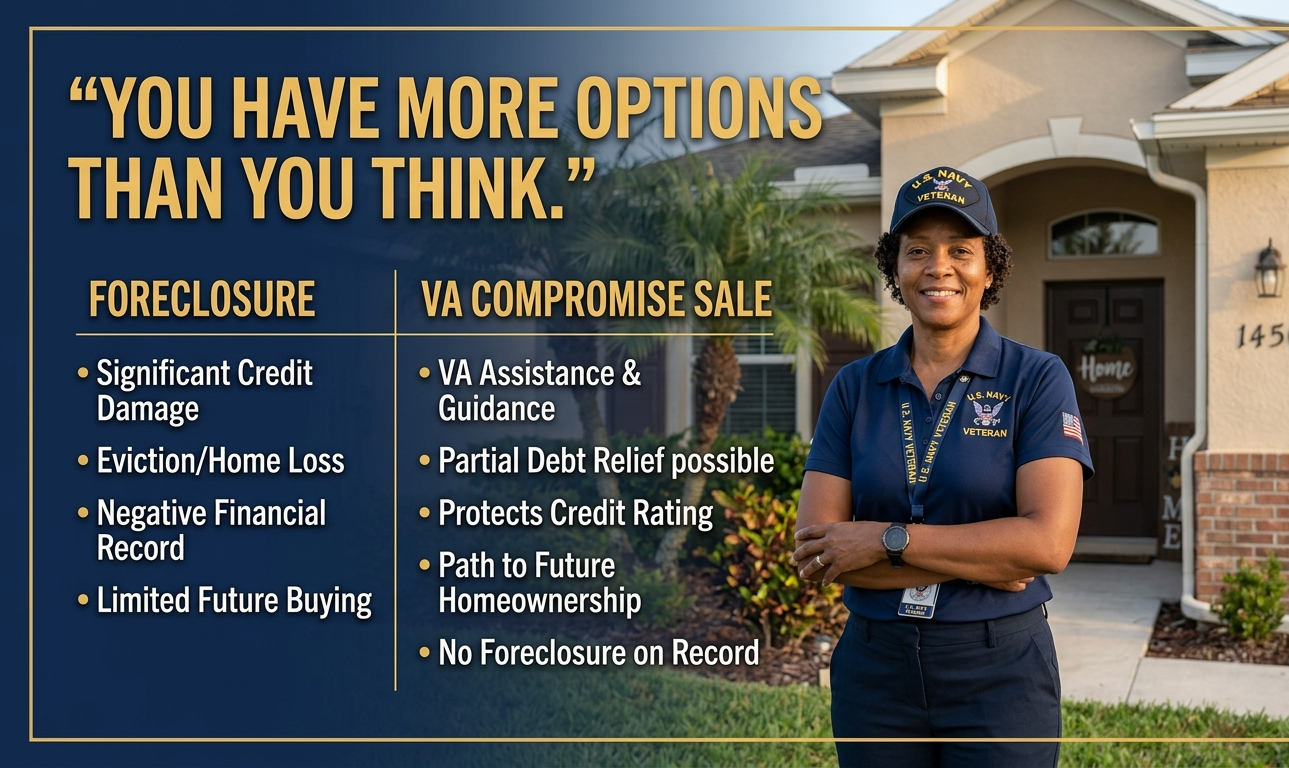
The 2026 focus for lenders has shifted toward "residual income" rather than just debt-to-income ratios. Residual income is the amount of money left over each month after all major debts and living expenses are paid. The VA requirements for residual income in 2026 ensure that the veteran has enough money for food, gas, and other necessities, which leads to much lower foreclosure rates for VA loans compared to other loan types in 2026.
Future-Proofing Home Ownership Throughout 2026
As 2026 progresses, the trend of "aging in place" has led more veterans to use their VA loan benefits for home modifications. The VA offers Specially Adapted Housing grants that can be used in conjunction with a mortgage to make a home more accessible. In 2026, these grants have been adjusted to reflect the rising costs of construction and materials.
Lenders in 2026 are also emphasizing the "assumability" feature of VA loans. This allows a future buyer to take over the veteran's existing VA loan and its interest rate, provided they are qualified. In a 2026 market where rates might eventually rise again, an assumable loan with a low 2026 rate becomes a powerful selling point for a veteran's property. This feature adds long-term value that is often missing from conventional mortgages.
The 2026 outlook for veteran homeowners is generally positive. With specialized programs like the IRRRL and the Cash-Out Refinance, military members have tools to manage their debt that are simply not available to the general public. By staying informed about the 2026 rate shifts and understanding the specific benefits of Military Veterans, veterans can secure their financial future while maintaining the stability of home ownership.
Closing Thoughts on 2026 VA Loan Opportunities
Lenders across the country are currently updating their 2026 protocols to make the application process more digital and less time-consuming. Veterans should compare at least three different lenders in 2026 to ensure they are getting the best combination of interest rate and service fees. Since the VA benefit is a lifetime entitlement, it can be used multiple times, allowing a veteran to move from a starter home to a forever home as their needs change in 2026 and beyond.
Whether the goal is to lower a monthly payment through a 2026 refinance or to purchase a first home with no money down, the VA loan remains one of the most significant financial advantages available to those who have served. The 2026 market conditions, characterized by stabilizing rates and high equity growth, create a perfect window for veterans to optimize their housing costs. By taking advantage of the unique rules surrounding VA loans in 2026, military families can continue to build wealth and security through real estate.

Table of Contents
- – 2026 Mortgage Trends and VA Loan Benefits
- – The 2026 Shift in VA Interest Rate Reduction R...
- – Managing Home Equity with Military Veterans
- – Understanding 2026 Funding Fees and Exemptions
- – Credit Score Realities in the 2026 Lending Ma...
- – Future-Proofing Home Ownership Throughout 2026
- – Closing Thoughts on 2026 VA Loan Opportunities
Latest Posts

Maximizing Your Total Military Benefit Package in 2026

Optimizing VA Benefit Utilization for 2026
How Military Families Can Find Financial Aid in 2026
Latest Posts
Maximizing Your Total Military Benefit Package in 2026
Optimizing VA Benefit Utilization for 2026
How Military Families Can Find Financial Aid in 2026